
Songkran Day, also known as the Thai New Year, is one of the most important festivals in Thailand. It is celebrated annually from the 13th to the 15th of April, and it is a time of joy, merriment, and new beginnings. The festival is marked by water fights, pouring water over Buddha images, and many other customs that symbolize purification and renewal.
The origins of Songkran can be traced back to ancient India, where it was celebrated as a harvest festival. Later, it was adopted by Thailand, and over the years, it has evolved into a vibrant and colorful celebration that is enjoyed by locals and tourists alike. The word “Songkran” comes from the Sanskrit language and means “astrological passage” or “changing.”

The festival marks the beginning of the Thai New Year and is a time to pay respect to elders and to ask for blessings from Buddha images. Traditionally, people would pour scented water over the hands of monks and the elders, as a sign of respect and to receive their blessings. Today, the festival has evolved into a massive water fight, where people throw water at each other to cool off from the hot Thai weather and to symbolize the washing away of the past year’s misfortunes.
One of the most popular customs during Songkran is the “Rod Nam Dum Hua” ceremony, where people pour water on the hands of Buddha images and ask for blessings for the new year. The water used in this ceremony is often scented with flowers, herbs, and perfumes, and is believed to bring good luck and prosperity to those who use it.
Another popular tradition during Songkran is the building of sand pagodas or chedis, which are ornate structures built on the beach or near water sources. The chedis are made from sand and decorated with flowers, leaves, and other natural materials, and are believed to bring good luck and blessings to the people who build them.
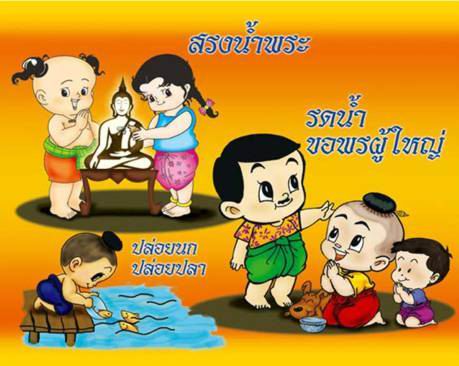
The water fights are perhaps the most exciting part of Songkran. People of all ages take to the streets armed with buckets, water guns, and hoses, and drench each other with water. The water fights are a symbol of the purification of the body and the mind, and they are also a way to beat the heat during the hot Thai summer.
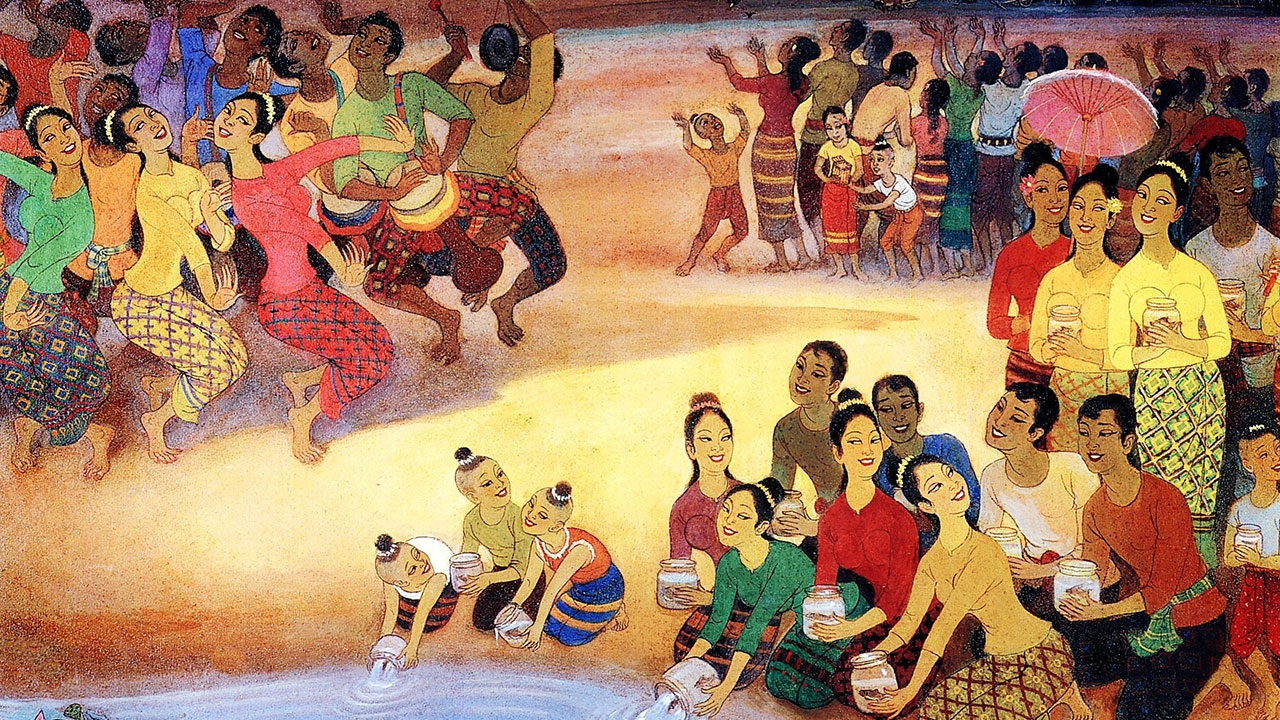
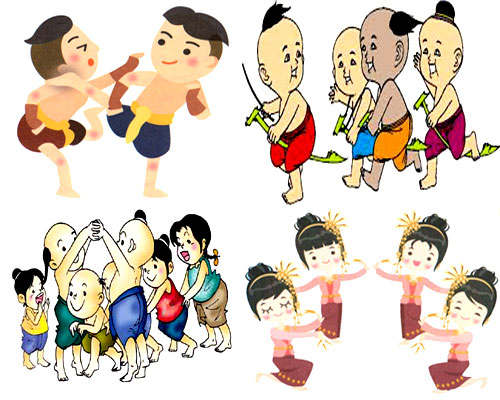
In addition to the water fights and traditional customs, Songkran also features parades, cultural performances, and street food vendors selling delicious Thai treats. It is a time for family and friends to come together, to celebrate, and to make new memories.
In conclusion, Songkran Day is an important festival in Thailand, and it is a time for new beginnings, purification, and renewal. The water fights, scented water ceremonies, and building of sand chedis are all customs that symbolize the festival’s deep spiritual meaning. Whether you are a local or a tourist, Songkran is a time to let loose, have fun, and to welcome the new year with open arms.


